
The Growing Importance of Mobile Security
As smartphones become increasingly central to our daily lives, they've also become prime targets for cybercriminals. Mobile devices now store everything from personal photos to banking information, making them valuable targets for data theft and exploitation.
The mobile threat landscape has evolved significantly in recent years. No longer limited to simple malware, attackers now employ sophisticated techniques including:
- Advanced phishing attacks specifically designed for mobile interfaces
- Malicious applications that bypass app store security measures
- Man-in-the-middle attacks on public Wi-Fi networks
- Exploitation of operating system vulnerabilities
- SMS-based phishing (smishing) attacks
Essential Mobile Security Practices
Protecting your mobile device requires a multi-layered approach to security:
Keep Your Device Updated
Operating system updates often contain critical security patches. Delaying these updates leaves your device vulnerable to known exploits. Enable automatic updates whenever possible, and regularly check for pending updates manually.
App Security
Only download applications from official app stores like Google Play and Apple's App Store. Even then, review permissions carefully before installation. Does that simple flashlight app really need access to your contacts and location? Be skeptical of apps requesting excessive permissions.
Use Strong Authentication
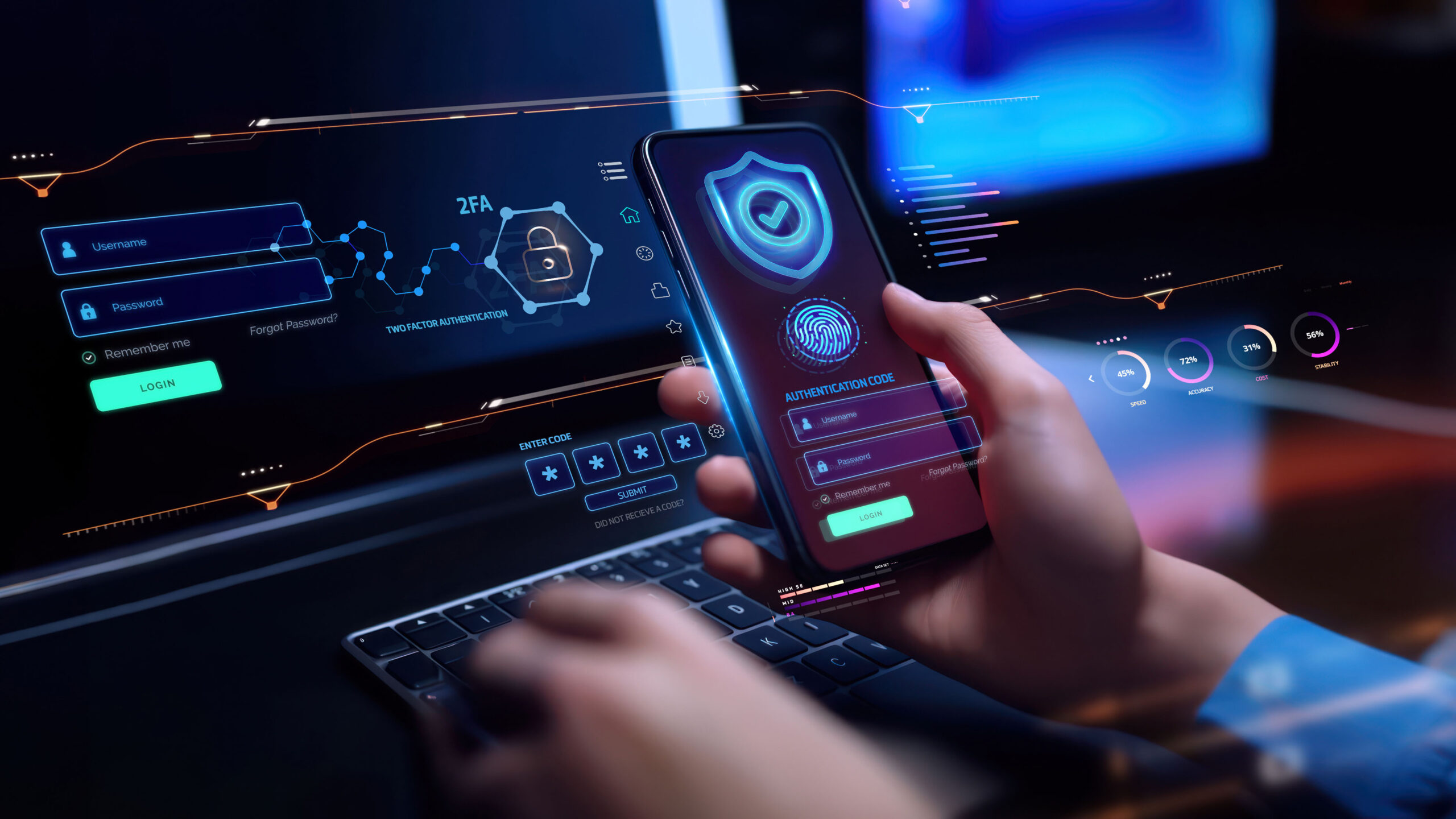
Biometric authentication methods like fingerprint and facial recognition provide a good balance of security and convenience. When biometrics aren't available, use a strong PIN or password rather than pattern locks, which can be easily observed over your shoulder.
Secure Your Network Connections
Public Wi-Fi networks are convenient but dangerous. Use a VPN when connecting to public networks to encrypt your traffic. Consider using your mobile data connection for sensitive transactions when a trusted Wi-Fi network isn't available.
Enable Remote Tracking and Wiping
Both Android and iOS offer built-in features to locate, lock, or erase your device remotely if it's lost or stolen. Ensure these features are enabled before you need them.
Advanced Mobile Security Solutions
Beyond basic practices, consider implementing these advanced security measures:
Mobile Security Apps
Dedicated security applications can provide additional protection through features like:
- Real-time scanning for malware
- Privacy advisors that monitor app permissions
- Network security monitoring
- Anti-theft features
Encrypted Communications
Use encrypted messaging apps for sensitive communications. While many popular messaging platforms now offer encryption by default, some provide more robust security features than others.
Secure Containers
For those who use their devices for both personal and work purposes, secure container solutions can create isolated environments for sensitive business applications and data.
The Future of Mobile Security
As mobile threats continue to evolve, so too will security technologies. We're already seeing the emergence of AI-powered threat detection, behavioral biometrics, and zero-trust security models specifically designed for mobile environments.
The most important factor in mobile security, however, remains user awareness. By understanding the threats and implementing proper security measures, you can significantly reduce your risk of becoming a victim of mobile-based cyberattacks.
Stay Protected on Mobile
Mobile security is an ongoing process, not a one-time setup. Regularly review your security practices and stay informed about emerging threats to keep your mobile devices and data secure.
Back to Blog